
Menu
By: Marisela Torrealba
The mental well-being of a couple forms the strongest foundation for their relationship. If both partners prioritize their mental health, they can minimize and avoid more frequent conflicts.
Nowadays, there is an abundance of information and concern regarding our physical health. We receive guidance on our eating habits, are conscious of our weight, recognize the significance of exercise, and are becoming increasingly knowledgeable about food supplements, fats, proteins, and vitamins. However, we lack sufficient information about mental health despite it being the most crucial aspect of overall well-being. Without good mental health, we would be unable to care for ourselves or maintain healthy and satisfying relationships.
Physical illnesses are promptly addressed in any setting, whether at work, in social circles, or within the family. Unfortunately, mental health issues are often overlooked and ignored. Even in well-functioning and close-knit families, there is a tendency to ostracize and distance members who are dealing with mental health problems. As a result, these individuals are often left without the necessary support, care, and treatment that could help them heal.
It's important to be aware of our mental state and to check and correct ourselves. If you feel that you need help, ask for it and seek it. If both people involved in the relationship have this awareness, they will be in constant review and growth.
Living conditions directly impact mental health, sometimes supporting well-being and at other times, posing a threat and causing harm. It's important to stay vigilant during challenging times, assess our own mental state, and seek help when needed.
Understanding our own mental health and that of our loved ones will enable us to intervene more effectively and manage the situation more quickly and efficiently. By mental health, I am not only referring to severe diagnoses that are irreconcilable with functionality. Here, I am referring to minor disorders or dysfunctions that hinder and make harmony between people difficult.
Here are the most common symptoms that we should pay attention to:
If you or your partner are struggling, reach out to a licensed mental health professional.”
“The most terrifying thing is to accept oneself completely.“
- C Jung
In this issue
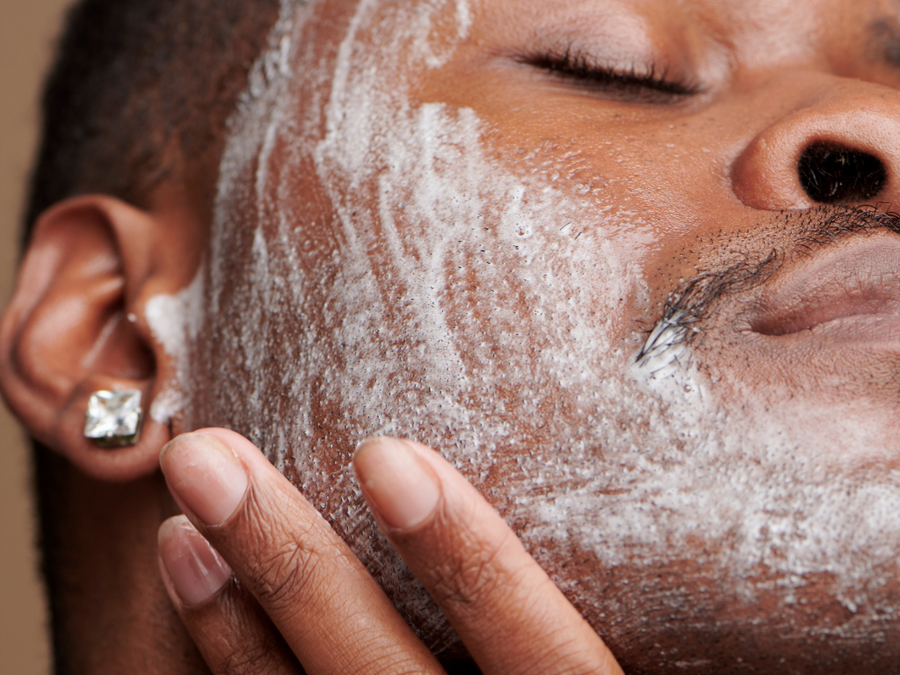
Most skincare routines stop at the neck. Here’s a simple body care routine, under five minutes a day, plus a weekly ritual...
Read the story →
Worried about how you look, how long it’s taking, or whether you’re “doing it right”? Here’s how to stop performing and start...
Read the story →
Conflict isn’t the problem. Unrepaired conflict is. Psychoanalyst Jordan Dann shares five techniques to help couples fight better and repair faster.
Read the story →
When your partner is running on empty, it’s easy to end up on empty too. Here’s how to help them recharge while...
Read the story →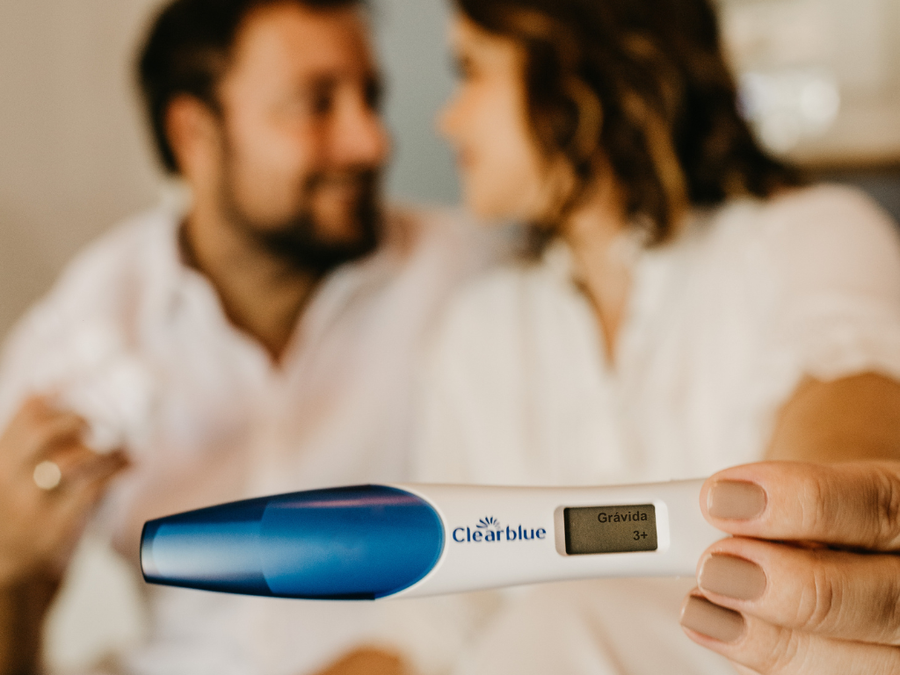
Ovulation apps, test days, and sex with a calendar invite: trying for a baby can test any couple. Here’s how to keep...
Read the story →
New habits, new goals, new you… and a partner who feels a step behind. Honest, friendly advice for couples when one of...
Read the story →
From $100K in debt to financial freedom in their early 30s, Ali and Josh Lupo of The FI Couple share how they...
Read the story →
Is that knot in your stomach a red flag or just your overthinking brain? A few simple tells, a quick quiz, and...
Read the story →
No phones, no plans, no agenda. The Decompression Date is the easiest (and most underrated) date you’ll take this year, and exactly...
Read the story →
Skip the outfits that only work in photos. From Sunday brunch to a night in, here are his and hers style picks...
Read the story →
In Spain, a good life isn’t measured in money or luxury, but in time: long lunches, siestas, and evening strolls. Welcome to...
Read the story →Your cart is currently empty.