
Menu
Por: Marisela Torrealba
El bienestar mental de una pareja constituye la base más sólida de su relación. Si ambos priorizan su salud mental, pueden minimizar y evitar conflictos más frecuentes.
Hoy en día, existe una gran cantidad de información y preocupación por nuestra salud física. Recibimos orientación sobre nuestros hábitos alimenticios, somos conscientes de nuestro peso, reconocemos la importancia del ejercicio y cada vez tenemos más conocimientos sobre suplementos alimenticios, grasas, proteínas y vitaminas. Sin embargo, carecemos de suficiente información sobre la salud mental, a pesar de ser el aspecto más crucial del bienestar general. Sin una buena salud mental, no podríamos cuidarnos ni mantener relaciones saludables y satisfactorias.
Las enfermedades físicas se abordan con prontitud en cualquier ámbito, ya sea en el trabajo, en el ámbito social o en la familia. Desafortunadamente, los problemas de salud mental suelen pasarse por alto e ignorarse. Incluso en familias unidas y bien organizadas, existe la tendencia a aislar y distanciar a los miembros que enfrentan problemas de salud mental. Como resultado, estas personas a menudo carecen del apoyo, la atención y el tratamiento necesarios para su recuperación.
Es importante ser conscientes de nuestro estado mental y revisarnos y corregirnos. Si sientes que necesitas ayuda, pídela y búscala. Si ambas personas en la relación tienen esta consciencia, estarán en constante revisión y crecimiento.
Las condiciones de vida impactan directamente la salud mental, a veces contribuyendo al bienestar y, en otras ocasiones, representando una amenaza y causando daño. Es importante mantenerse alerta durante los momentos difíciles, evaluar nuestro propio estado mental y buscar ayuda cuando sea necesario.
Comprender nuestra propia salud mental y la de nuestros seres queridos nos permitirá intervenir con mayor eficacia y gestionar la situación con mayor rapidez y eficiencia. Con salud mental, no me refiero solo a diagnósticos graves incompatibles con la funcionalidad. Me refiero a trastornos o disfunciones menores que dificultan la armonía entre las personas.
Estos son los síntomas más comunes a los que debemos prestar atención:
“Lo más aterrador es aceptarse completamente”
- C. Jung
In this issue

Most skincare routines stop at the neck. Here’s a simple body care routine, under five minutes a day, plus a weekly ritual...
Read the story →
Worried about how you look, how long it’s taking, or whether you’re “doing it right”? Here’s how to stop performing and start...
Read the story →
Conflict isn’t the problem. Unrepaired conflict is. Psychoanalyst Jordan Dann shares five techniques to help couples fight better and repair faster.
Read the story →
When your partner is running on empty, it’s easy to end up on empty too. Here’s how to help them recharge while...
Read the story →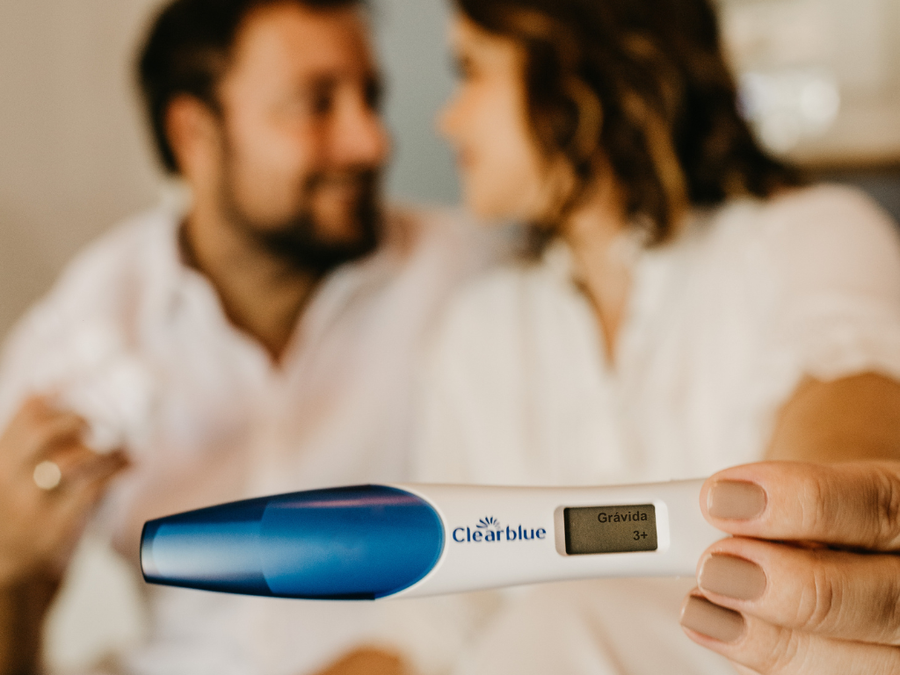
Ovulation apps, test days, and sex with a calendar invite: trying for a baby can test any couple. Here’s how to keep...
Read the story →
New habits, new goals, new you… and a partner who feels a step behind. Honest, friendly advice for couples when one of...
Read the story →
From $100K in debt to financial freedom in their early 30s, Ali and Josh Lupo of The FI Couple share how they...
Read the story →
Is that knot in your stomach a red flag or just your overthinking brain? A few simple tells, a quick quiz, and...
Read the story →
No phones, no plans, no agenda. The Decompression Date is the easiest (and most underrated) date you’ll take this year, and exactly...
Read the story →
Skip the outfits that only work in photos. From Sunday brunch to a night in, here are his and hers style picks...
Read the story →
In Spain, a good life isn’t measured in money or luxury, but in time: long lunches, siestas, and evening strolls. Welcome to...
Read the story →Su carrito actualmente está vacío.